For decades, the heart of Nigerian shopping lived inside open markets—Balogun, Ariaria, Onitsha Main Market, Kano Kurmi, Wuse Market, and countless others. These markets have always been bustling centres of culture, commerce, bargaining, and community. But something has changed.
Over the last few years, Nigerians have rapidly shifted from traditional physical market shopping to online purchasing, not just for electronics or fashion, but even for everyday market items like fabrics, shoes, accessories, groceries, household goods, and more.
This shift didn’t happen overnight. It is the result of technology, convenience, and the rise of trusted digital marketplaces like MarketConnect, designed to digitise Nigeria’s local markets and give buyers access to authentic products from verified vendors—without stepping into the crowded stalls.
So, why exactly are Nigerians buying more market items online?
Let’s break it down.
Between Lagos traffic, unpredictable market hours, high transport costs, and long queues, going to the market has become more stressful than ever.
Online marketplaces give buyers something priceless: time.
You can now shop for fabrics, shoes, accessories, and household items while:
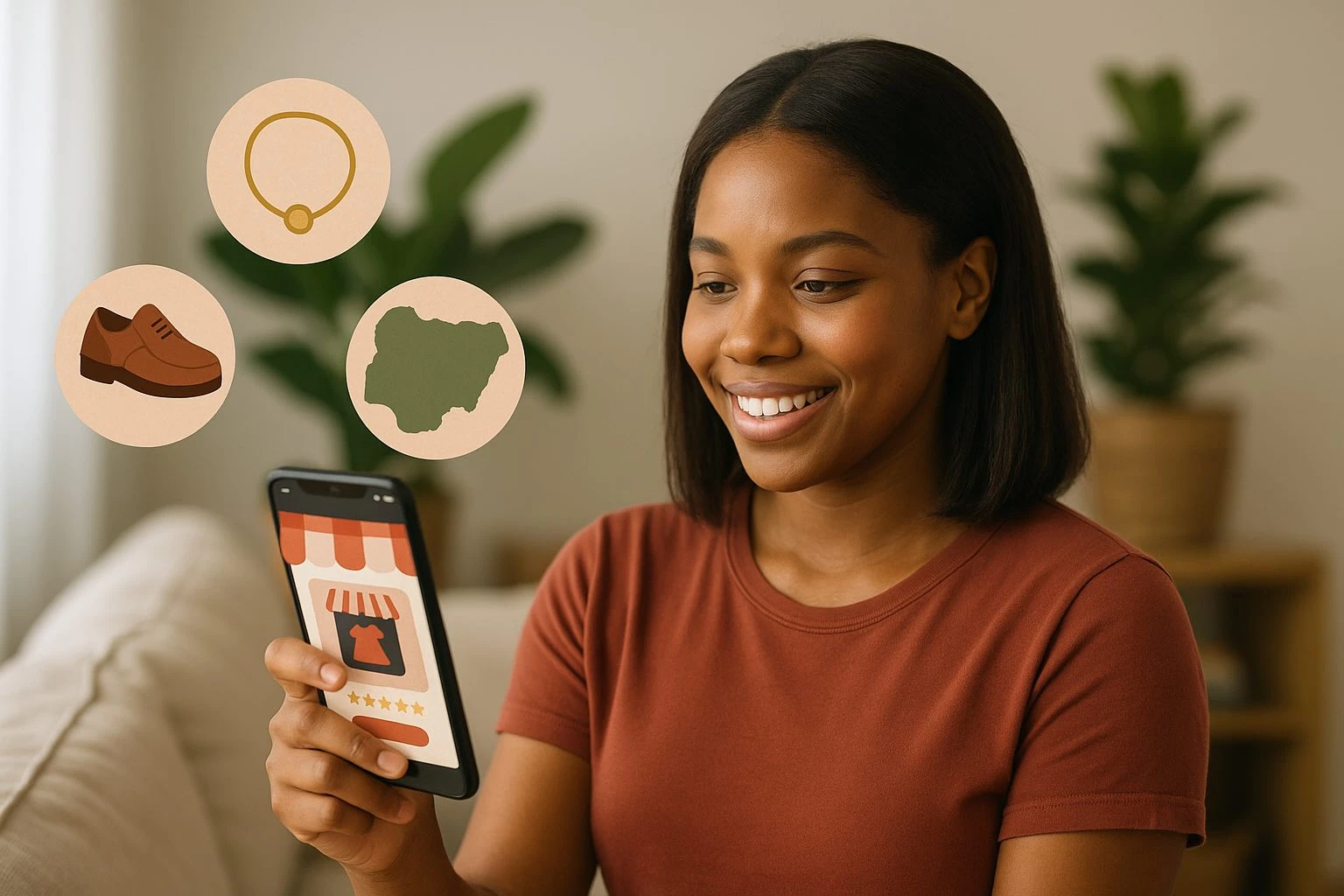
With platforms like MarketConnect, the marketplace is literally in your pocket.
One of Nigerians’ biggest fears with online shopping is “What if I get fake or low-quality items?”
But technology has changed that.
MarketConnect, for example, features verified vendors, ensuring authenticity and accountability. This matters especially in categories like:
Buyers now prefer dealing with a verified seller online instead of taking the risk of walking from stall to stall, unsure of who to trust.
Nigerians are buying market items online because delivery has improved drastically.
You can now:
Delivery partners—bike riders, dispatch couriers, and haulage services—make it possible for a buyer to shop from any state in Nigeria without leaving their home.
Platforms like MarketConnect simplify this by working with licensed logistics partners to ensure safe, fast, and reliable delivery.
Online shopping gives buyers the ability to compare prices instantly.
Instead of trekking from one corner of the market to another, buyers now browse:
This transparency has pushed more people to shop online where competition brings better pricing.
In fact, bulk buyers—such as fashion retailers, event planners, and resellers—now find it cheaper to order online rather than negotiate physically.
With the growth of secure third-party payment providers in Nigeria, online purchasing has never been safer.
Buyers appreciate:
This level of accountability rarely exists in physical open markets where transactions are mostly cash-based and undocumented.
Platforms like Instagram, TikTok, and Facebook have become digital storefronts.
People see a fabric, shoe, jewelry set, or home accessory online and want it immediately.
The trend of “see something → click link → buy” has made online purchasing second nature for many Nigerians—especially youths, brides-to-be, fashion lovers, and entrepreneurs.
Marketplaces like MarketConnect strengthen this by providing a centralized platform with verified products, eliminating the risks of buying from random social media pages.
Post-pandemic behaviour still lingers. Many Nigerians grew to prefer:
Even though markets are open, customers now ask:
“Why should I go there when I can buy the same thing online from a trusted vendor?”
Modern platforms now mimic the “market experience” but in a clean, simplified, digital way:
MarketConnect takes this even further by digitising the exact goods sold in Nigeria’s biggest markets and making them available nationwide.
It’s the local market—without the stress.
Shopping culture in Nigeria is undergoing a massive transformation.
People want:
MarketConnect represents this new era—where the local markets of Nigeria become accessible to everyone, everywhere, at any time.
The physical market is not disappearing.
But its customers are now choosing a smarter, faster, more reliable way to shop.
Welcome to the future of Nigerian market shopping.
Welcome to MarketConnect.





You need to Sign in to view this feature

This address will be removed from this list
 english